Building a Character Design Portfolio for Games/Film
What is a Character Designer?
A Character Designer is responsible for designing characters that connect with the audience and help tell compelling narratives. Character design is one of the most popular but also most difficult positions to qualify for. In any form of entertainment, there are vast worlds, environments, and props to design, but usually only a handful of main characters. This makes it a highly specialized and scarce position. Characters are also one of the most important elements of any story, so teams are looking for highly skilled artists who can be trusted to create the most important piece of their narrative. Each field also has very specific constraints, and designers must be able to work within those limitations while creating lively, relatable, and iconic characters.

What's in a Character Design Portfolio?
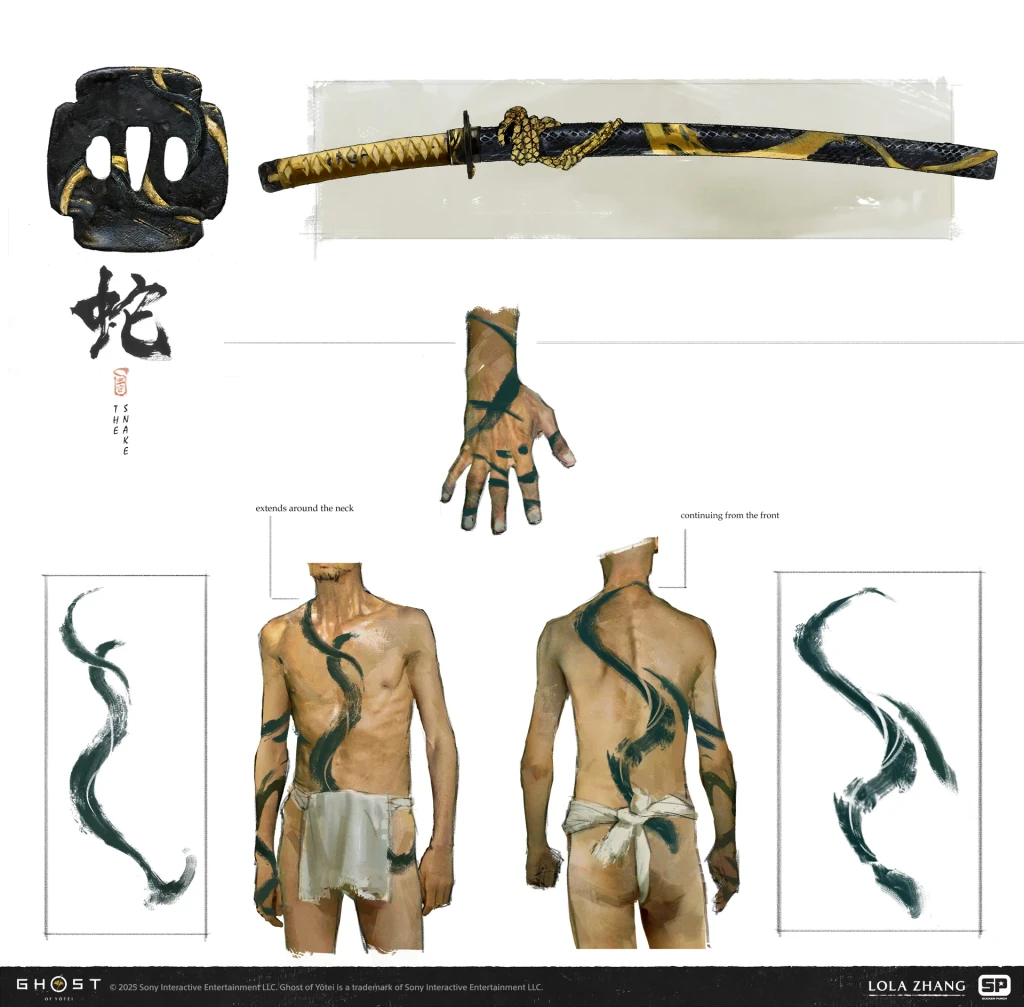
A character design portfolio must demonstrate your ability to iterate, stylize, and communicate a story through compelling designs. Not only should the characters be visually striking, but also communicate the narrative and world they occupy. The audience should immediately understand what kind of role each character plays and be able to relate to them. Depending on the field, you can also include expression sheets, callouts, and movement or attack cycles to further elaborate on your designs.
Character Designer Responsibilities:
Design visually compelling characters: Design unique, appealing, and iconic characters that showcase your creative sensibilities.
Be able to iterate and show range: Show sketches on how you iterate and make design decisions.
Show how the character moves, acts, emotes: The character must be able to move and act according to the personality and constraints of the medium.
Tell a story: Create a character that brings the story to life.
Essential Skills For This Role:

Yang Qi from Wukong
Structuring Your Portfolio
For your portfolio, aim to have at least 2-3 character designs for each narrative and have at least 2 projects with varied styles.
The most effective portfolios are often built around narratives rather than random standalone pieces. A narrative better reflects critical thinking and world building, and influences every decision made in the design and gameplay.
These projects should show your design process and ability to maintain visual consistency across multiple pieces. While it's valuable to include some standalone pieces that showcase different skills, your narrative projects should form the core of your portfolio.
Design Logic: A framework for making consistent visual choices.
Storytelling Through Visuals: Proves you can communicate stories through your artwork.
Problem-Solving Context: Shows how you approach design challenges specific to the story.
Professional Relevance: Simulates a real character design pipeline.
Design Process Documentation: Shows your iteration methods, from initial concepts through refined final designs.
2 Ways to Choose a Story
You can build your narrative projects by either adapting existing stories with your own visual interpretations or developing original stories from scratch. Adaptations let you focus on your technical designs while originals can give you more control over the work you create. Note that creating an original story will require more time and work as you are also taking on the role of a writer. Both approaches are effective at demonstrating your character design abilities.
Below is a breakdown of the pros and cons of these two approaches:
Option 1
Re-Imagine An Existing Narrative
Adapt classic literature, mythology, or old films.
Add unique twists (e.g., What if Jack and the Beanstalk was set in the Qing Dynasty?)
Avoid narratives from recent popular games or movies (reduces direct comparison)
Pros & Cons
Viewers are already familiar with the subject so it's easier to understand at a glance.
Less upfront work so you can focus on the art.
May have less originality.
Option 2
Create An Original Narrative
Write down your story (or at least the big story beats) before doing the artwork so you have a solid roadmap to follow.
Pros & Cons
Gives you complete creative control.
Shows original thinking and world-building skills.
Shows you have design and narrative skills.
Requires story development time which may take away focus from your art.
May be harder to understand for new viewers.
Building A Portfolio Project
Below is a guide for structuring a character design project in your portfolio. It's highly recommended you have at least the pages below but you may add and/or subtract pages to fit your goals and project.
Use this guide as a starting framework, but let your career goals and project scope guide the final direction.
Your portfolio directly influences the type of work opportunities you'll receive, so ensure it aligns with where you want to work and what you want to create!